Mental Illnesses – Depression and Anxiety
- 12 Sep 2025
- 0 Comments
- Mental Health, Depression Help, Anxiety Relief

Mental Illnesses - Why It Is Important to Recognize Depression and Anxiety as Diseases
Introduction
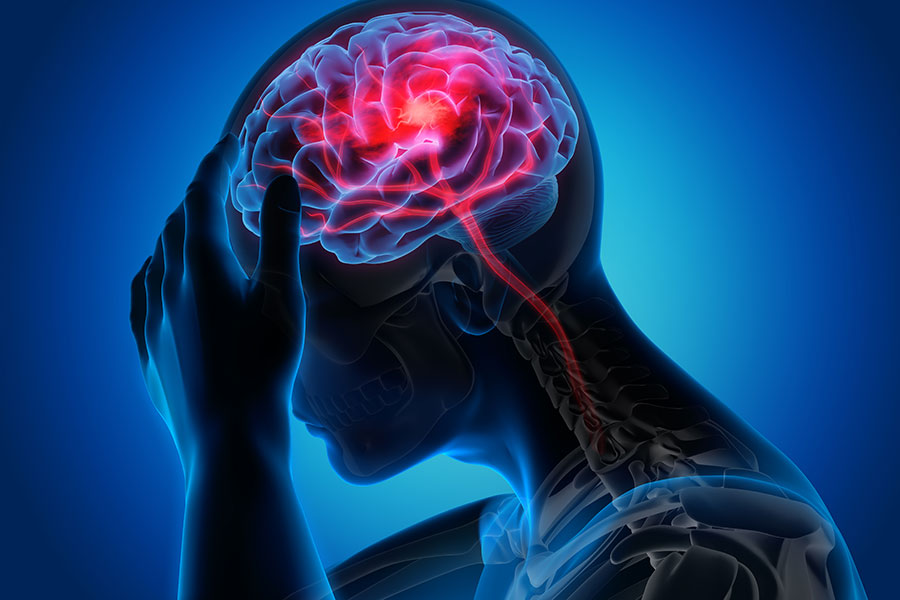
Mental health is just as important as physical health, yet it is often overlooked in many societies. Conditions such as depression and anxiety are sometimes dismissed as mood swings, weakness, or lack of willpower. In reality, they are genuine medical conditions that affect the brain and body, and like any other illness, they require proper care and treatment. Recognizing mental illnesses as real diseases is the first step toward reducing stigma, offering support, and ensuring recovery.
Understanding Depression and Anxiety
-
Depression is more than just sadness. It is a persistent condition that affects mood, energy, thinking, and daily life. People with depression may feel hopeless, lose interest in activities they once enjoyed, or struggle with basic tasks.
-
Anxiety is not simply “worrying too much.” It involves excessive fear, tension, and nervousness that interfere with everyday life. Anxiety disorders can lead to panic attacks, restlessness, and difficulty concentrating.
Both conditions can affect people of any age, background, or lifestyle.
Why It Is Important to Recognize Them as Illnesses
-
Reducing Stigma
When people view depression and anxiety as mere weakness, it prevents patients from seeking help. Recognizing them as medical conditions creates empathy and reduces harmful stigma. -
Encouraging Treatment
Just like diabetes or heart disease, depression and anxiety require treatment. Accepting them as illnesses helps patients approach doctors, therapists, or counselors without hesitation. -
Preventing Severe Consequences
Untreated mental illnesses can lead to worsening symptoms, substance abuse, broken relationships, and even suicidal thoughts. Early recognition and medical support save lives. -
Supporting Overall Health
Mental and physical health are deeply connected. Chronic stress, depression, and anxiety can lead to high blood pressure, heart disease, and weakened immunity. Addressing mental health improves overall well-being.
Treatment and Management
-
Medical Support: Therapy, counseling, and in some cases, medication prescribed by psychiatrists.
-
Lifestyle Changes: Regular exercise, healthy diet, adequate sleep, and relaxation techniques like meditation.
-
Social Support: Understanding from family and friends, along with awareness in schools and workplaces.
Conclusion
Depression and anxiety are not weaknesses or personal failures; they are genuine illnesses that affect millions worldwide. Ignoring them only increases suffering, while timely recognition and treatment can restore hope and improve quality of life. By acknowledging mental health conditions as real medical issues, we not only help those who are struggling but also build a compassionate and healthier society. Breaking the stigma, spreading awareness, and providing proper care is essential. Mental health matters, and every individual deserves to live with dignity, support, and understanding.